Surgery / Stage 4: recovery and aftercare
Recovering From Double Eyelid Surgery: The First Days, the Stitches and the Months After
The first two weeks are the most visible, and the crease keeps changing for months. What medical sources describe for each stage of eyelid recovery.
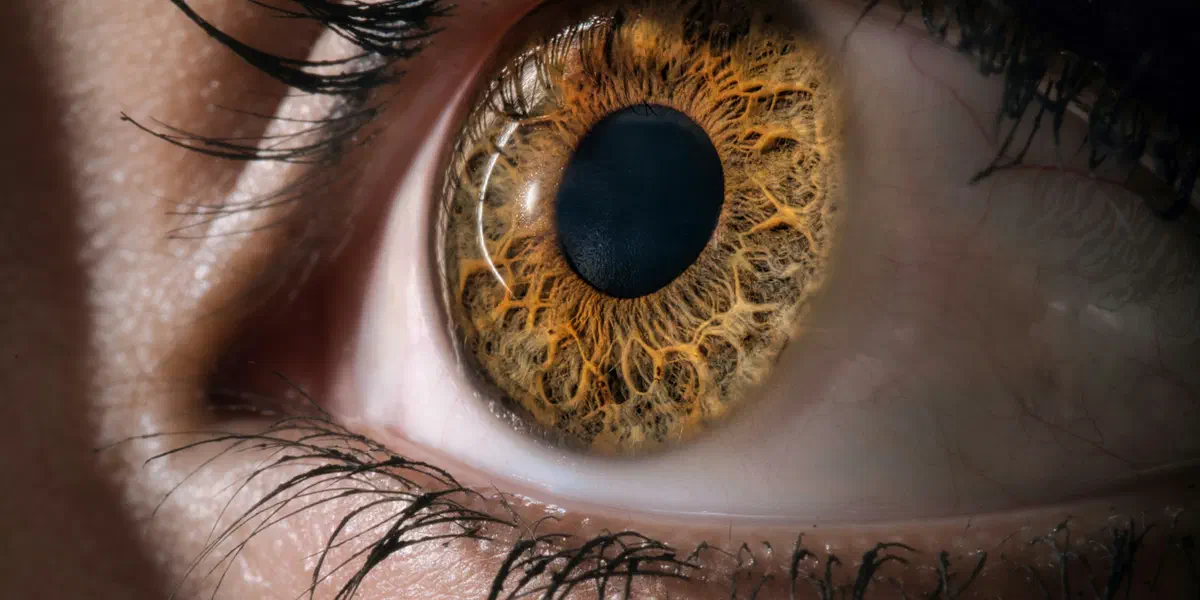
The operation is over and you are back in your room with a cold compress and the head of the bed raised. Double eyelid surgery, often called Asian blepharoplasty, creates a crease in an upper eyelid that does not have one. The first two weeks of recovery are usually the most visible, but the crease keeps changing for months as swelling resolves, long after most visitors have flown home. This story sets out what published medical sources describe for each stage, how the two main techniques differ, and which symptoms need urgent attention.
Two techniques, two recovery profiles
Non-incisional (suture) methods
The American Academy of Ophthalmology’s EyeWiki describes the suture ligation method as working through a few very small openings. Sutures fix the skin or muscle to deeper structures so that a fold forms. Its listed advantages are no visible scar, a shorter operation, a shorter recovery and easier revision. The main drawback is a high failure rate, since only a few sutures hold the fold in place, and the suture material may be visible when the eyes are closed.
Suture methods also depend on the eyelid itself. Authors of a 2013 case series in Plastic and Reconstructive Surgery Global Open note that suture techniques often fail in eyelids with thick soft tissue and extra skin, because the weight of the tissue strains the fixation.
Incisional methods
In the incisional approach, the surgeon makes a skin incision along the planned crease, removes skin where needed, and fixes the crease directly to the eyelid’s lifting muscle. EyeWiki notes that this allows fat to be removed and other procedures to be combined, at the cost of a longer operation, a longer recovery and a higher risk of injury to nearby structures.

Recovery timeline
Most of the timings below come from sources on upper eyelid surgery in general and on incisional double eyelid surgery. Published sources give fewer specific timings for suture methods beyond describing a shorter recovery, so your surgeon’s instructions for your technique take priority.
| Stage | What sources describe |
|---|---|
| First 24 hours | Swelling can increase for about a day. Ice, head elevation and limited activity help (AAO). |
| First 3 days | One review recommends ice water compresses close to continuously for about three days, with breaks to eat and sleep, and the head raised at least 45 to 60 degrees. |
| Days 5 to 14 | Non-dissolving stitches come out. EyeWiki gives 5 to 7 days for double eyelid surgery; AAO gives 7 to 14 days for upper eyelid surgery in general. |
| About 2 weeks | Bruising and swelling usually fade over 10 to 14 days (AAO). EyeWiki describes preliminary results at around two weeks. Most people feel ready for their routine after a week or two (Cleveland Clinic). |
| About 3 weeks | In the 2013 incisional case series, swelling was clearly reduced, though the crease still sat higher than its final position. |
| 2 to 4 months | Numbness of the upper lid skin and lashes usually resolves (AAO). |
| About 3 months | In the same case series, most creases showed no further change in height after 12 weeks. Cleveland Clinic notes that complete recovery from eyelid surgery usually takes a few months. |
Why the crease looks too high at first
Early swelling makes a new crease look taller and heavier than it will end up. In the 2013 case series, fold height had dropped noticeably by three weeks and again by twelve weeks, after which most creases stayed stable. Judging the result in the first weeks tends to overstate both height and asymmetry.

Daily care in the first weeks
- Cold compresses. ASPS and Cleveland Clinic both list cold compresses for swelling. The 2012 review warns against heavy ice packs or frozen masks, which can damage eyelid tissue or disturb the wound.
- Ointment and drops. Lubricating ointment is commonly applied after surgery (ASPS). Dry eyes can last a few weeks, and unmedicated ointment or drops may be recommended (Cleveland Clinic).
- Driving. Ointment blurs vision. The 2012 review advises against driving for about a week.
- Wound care and water. EyeWiki recommends daily wound care and avoiding strenuous activity and soaking the incisions in water.
- Contact lenses. AAO says lens wear can usually resume around one week after upper eyelid surgery, inserting and removing lenses by pulling down the lower lid. Ask your surgeon whether this applies to your technique.
- Sun. ASPS advises diligent sun protection and darkly tinted sunglasses until healing is complete.
- Medications. AAO lists blood thinners, aspirin, NSAIDs and some supplements, such as fish oil, vitamin E, ginkgo and ginseng, as raising bleeding risk. Surgeons often ask patients to stop them beforehand.
Common issues and what they usually mean
Asymmetry. EyeWiki names asymmetry as the most common complication of double eyelid surgery. Causes include small differences in marking, skin removal, fat removal and suture tension. The 2012 review notes that crease asymmetry is the result patients notice most often, and that persistent asymmetry can be corrected by adjusting the crease.
A crease that stays too high. EyeWiki describes an overly high crease as a recognized complication, linked to scarring above the fixation point and to removing too much fat.
Fold loss. The crease can soften or disappear over time. EyeWiki reports this happens more often with suture ligation and with absorbable sutures.
Numbness and dryness. Both are expected for a period and usually improve as nerves recover and swelling settles (AAO, Cleveland Clinic).
Warning signs that need urgent care
Cleveland Clinic advises contacting your surgical team for bleeding, discharge or pus from the eyes, severe swelling, severe pain or vision changes.
The rarest and most serious complication is bleeding behind the eye, sometimes called orbital or retrobulbar hemorrhage. AAO lists severe pain, vision loss and progressive swelling as its signs and describes it as needing immediate care, because vision can usually be preserved only if pressure is relieved quickly. The 2012 review also lists a bulging eye and reduced eye movement, often with pain or blurred vision on one side. Know your surgeon’s emergency contact number before you leave the clinic.
When to think about a revision
Because swelling distorts the crease for weeks, early revision is rarely advised. The 2012 review recommends delaying touch-up procedures for three months or more after the first operation where possible. AAO notes that a second procedure is a recognized possibility after eyelid surgery. If one eyelid still looks different once swelling has settled, raise it at a scheduled follow-up appointment rather than seeking a quick correction elsewhere.
Sources
- Asian Blepharoplasty (Double Eyelid Procedure)American Academy of Ophthalmology EyeWiki
- Upper Eyelid BlepharoplastyAmerican Academy of Ophthalmology
- Blepharoplasty (Eyelid Surgery): Details & RecoveryCleveland Clinic
- Eyelid Surgery RecoveryAmerican Society of Plastic Surgeons
- Complications of Blepharoplasty: Prevention and Management (Plastic Surgery International, 2012)PubMed Central
- Double-Eyelid Surgery Using Septoaponeurosis Junctional Thickening Results in Dynamic Fold in Asians (Plastic and Reconstructive Surgery Global Open, 2013)PubMed Central
This story is general travel information, checked by the editors against the sources above. It is not medical advice. How we research stories.
Read next
Surgery / Stage 4: recovery and aftercare
After Rhinoplasty: The Splint, the Swelling and the Year-Long Wait for the Final Shape

Surgery / Stage 1: before the trip
Booking Surgery Abroad: The Follow-Up Care, Flights and Records to Plan Before You Go

Surgery / Stage 2: arrival and consultation