Surgery / Stage 1: before the trip
Booking Surgery Abroad: The Follow-Up Care, Flights and Records to Plan Before You Go
Before you book an operation abroad, plan the parts that come after it: who looks after you at home, when you can fly and what paperwork your own doctor will need.

You are at home, comparing surgeons in another country and watching flight prices. Travelling for cosmetic surgery adds a second layer of planning to an already large decision. Beyond choosing a surgeon, you need to know who will look after you once you are home, when your body can safely handle a long flight, and what paperwork a doctor in your own country will need if something goes wrong. Public health agencies and surgical societies in the US and UK have published guidance on each of these points, and this story brings it together.
Understand the main risks
The CDC Yellow Book names infection as the most common complication of medical tourism. It lists surgical site and bloodstream infections, blood-borne infections, and infections with drug resistant organisms. The American Society of Plastic Surgeons (ASPS) also identifies infection as the most common complication for patients who have cosmetic surgery abroad, along with visible scarring, hematomas and unsatisfactory results.
In June 2026 the CDC published a review of its consultations on complications after cosmetic procedures. It found postsurgical infections, including infections with nontuberculous mycobacteria, and investigations at one domestic and one international site found gaps in cleaning, hand hygiene, protective equipment use and the reprocessing of surgical instruments.
ASPS points to a second problem: corrective care after you return. Local surgeons may not know which technique was used, and revisions are often more complicated than the first operation.

Checks before you book
The surgeon and the facility
The CDC advises researching both the facility and the clinician, looking for international accreditation and specialty certification comparable to US board certification. It adds that accreditation does not guarantee a good outcome. The NHS recommends paying only for a hospital you have seen and a surgeon you have met, and checking how clinics and surgeons are regulated in the destination country.
If you are considering Korea, two laws are relevant. Under the Medical Service Act, a medical specialist is a doctor whose qualification has been accredited by the Minister of Health and Welfare after a prescribed training course. A separate law on attracting international patients requires a clinic that markets to foreign patients to register with the regional government, assign at least one medical specialist to each department it markets, and hold malpractice liability insurance or join a mutual aid scheme. These translations are published by the Korea Legislation Research Institute for reference.
Consultations and language
The NHS advises having two consultations with the surgeon who will operate, which gives you a cooling-off period, and being wary of packages where you only meet sales staff. It also advises confirming that the surgeon speaks a language you understand well enough to discuss the procedure and its risks.
Korea’s international patients law requires registered clinics to inform foreign patients of the diagnosis, the treatment method and possible side effects, to use a standard treatment agreement with an estimated cost, and to explain the procedure for resolving malpractice disputes.
Insurance and money
The NHS warns that travel insurance does not usually cover complications from surgery, so check what the clinic’s or surgeon’s insurance covers. The CDC suggests checking whether your own health plan covers care abroad and considering supplemental insurance that includes medical evacuation. It also advises confirming exactly what the quoted price includes, since some providers charge separately for follow-up.

When it is safe to fly
Surgery and air travel each raise the risk of blood clots, and the CDC notes that long periods of sitting after surgery add to that risk. ASPS and the NHS give similar waiting times.
| Type of procedure | Suggested wait before flying | Source |
|---|---|---|
| Face procedures, including facelift, eyelid surgery, rhinoplasty and laser treatments | 7 to 10 days | ASPS, NHS, CDC |
| Body procedures such as liposuction and breast surgery | 5 to 7 days | ASPS, NHS |
| Tummy tuck | 7 to 10 days | NHS |
| Chest or abdominal surgery in general | About 10 days | CDC |
ASPS includes laser treatments in its face group, so the same wait applies if you add skin resurfacing to the trip. If you are adding a skin treatment to the trip, fitting a treatment into a short stay sets out how recovery windows differ.
What to avoid during the stay
ASPS advises against sunbathing, alcohol, swimming or snorkelling, water and jet skiing, parasailing, extensive walking or bus tours, and exercise during recovery. The NHS gives the same message and discourages treating the days after surgery as a holiday. The CDC adds that drinking, strenuous exercise and long tours can slow healing.
Records to collect before you leave
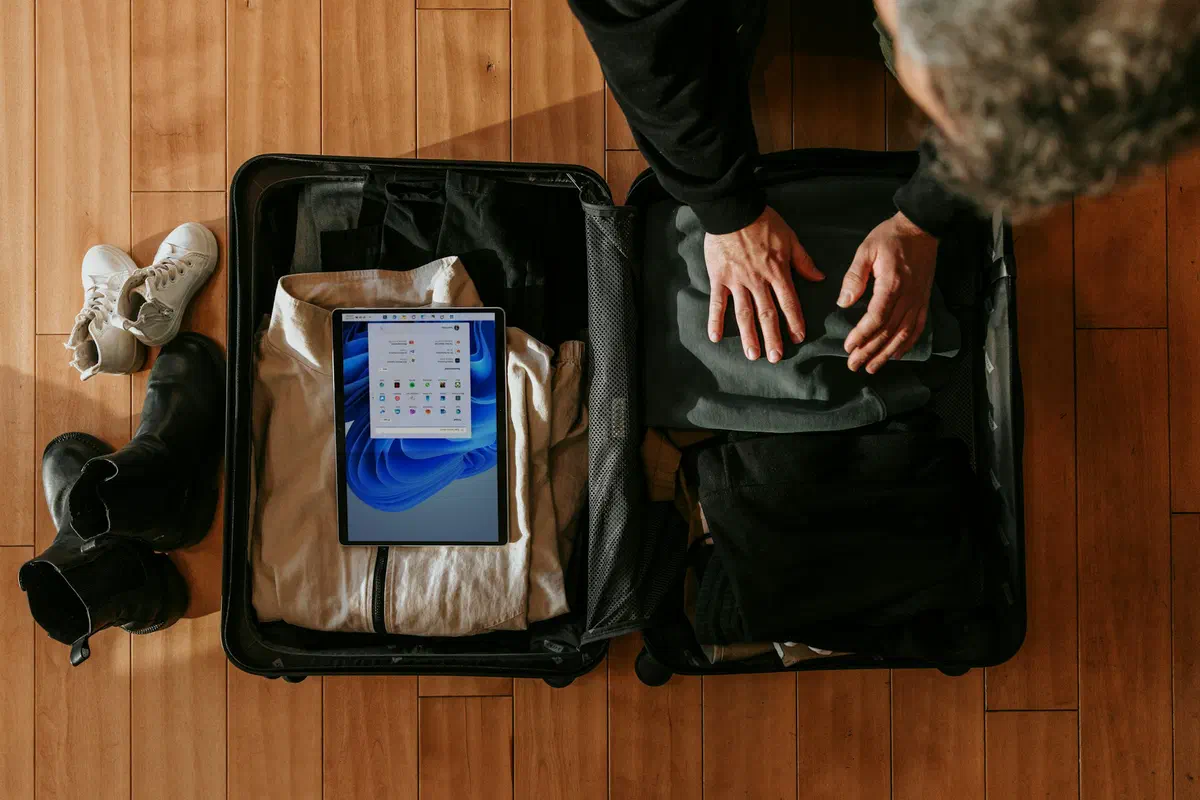
The CDC recommends taking your complete medical history, surgical history and a list of medications with you, and getting copies of your overseas records before you leave, requested in English. Share all of them with your doctor at home. A practical checklist based on that advice:
- The operation note, including the technique used
- Details of any implants or materials placed
- Medications prescribed, with doses and duration
- Discharge instructions and the planned follow-up schedule
- Contact details for the surgeon and the clinic, including an emergency number
- Your signed treatment agreement and cost estimate
Arrange follow-up at home first
The CDC advises arranging follow-up care and financing at home before you travel, and discussing a plan for complications with both your home clinician and the treating surgeon. It also suggests seeing a travel medicine specialist four to six weeks before departure and making sure your routine vaccinations, especially hepatitis B, are current.
The NHS points out that in the UK, the operating surgeon is responsible for follow-up, while an overseas clinic may offer no follow-up, a lower standard of follow-up, or no UK-based professional to contact. Ask before booking what happens if you develop a complication, where follow-up visits will take place, and how you would return if further surgery were needed.
If problems start after you return
The CDC advises against delaying care for a suspected complication, whether abroad or at home, because prompt care can lead to earlier diagnosis. Tell every clinician you see about the procedure and bring your records to the appointment.
If you had surgery in Korea and want to raise a concern about treatment, the dispute resolution procedure your clinic was required to explain is the place to start. Keep copies of every document you received.
A short planning summary
- Meet the operating surgeon, ideally twice, before paying.
- Check the surgeon’s specialty credential and the facility’s accreditation.
- Confirm insurance cover for complications and medical evacuation.
- Plan to stay at least 7 to 10 days after face surgery before flying home.
- Leave with your records in English.
- Line up a doctor at home before the trip.
Sources
- Briefing Paper: Cosmetic Surgery TourismAmerican Society of Plastic Surgeons
- Medical Tourism (CDC Yellow Book 2026)Centers for Disease Control and Prevention
- CDC Highlights Adverse Outcomes Linked to Travel-Related Cosmetic ProceduresCenters for Disease Control and Prevention
- Cosmetic surgery abroadNHS
- Act on Supporting Overseas Expansion of Medical Services and Attraction of International Patients (English translation)Korea Legislation Research Institute
- Medical Service Act (English translation)Korea Legislation Research Institute
This story is general travel information, checked by the editors against the sources above. It is not medical advice. How we research stories.
Read next

Surgery / Stage 4: recovery and aftercare
After Rhinoplasty: The Splint, the Swelling and the Year-Long Wait for the Final Shape

Surgery / Stage 4: recovery and aftercare
Recovering From Double Eyelid Surgery: The First Days, the Stitches and the Months After

Surgery / Stage 2: arrival and consultation