Surgery / Stage 2: arrival and consultation
Across the Consultation Desk: Choosing a Plastic Surgeon in Korea or at Home
The consultation is where you decide who will operate. How to check credentials in the US and Korea, what to ask about the facility and how to read before and after photos.

Imagine the consultation room: a desk, a surgeon, a gallery of photos on a screen and a quoted price. The surgeon you pick here shapes almost everything that follows: the surgical plan, the facility, the anesthesia, and the help you can get if something goes wrong. This story covers what surgical credentials mean in the United States and South Korea, what to ask at the consultation, how to read before and after photos, and which warning signs deserve a second look.
Start with the credential
United States: the American Board of Plastic Surgery
In the US, the credential to look for is certification by the American Board of Plastic Surgery (ABPS). According to the board, certified surgeons have completed the appropriate training and passed written and oral examinations that cover plastic surgery procedures. Certificates issued since 1995 are valid for ten years, and renewing them requires ongoing self-assessment and practice improvement.
Two details are easy to miss. The board describes certification as a voluntary credential, so a doctor can hold a medical license and offer cosmetic surgery without it. Certification also depends on an active, unrestricted medical license, and the board’s lookup tool shows an alert when it learns of a state medical board action against a certified surgeon. You can search by name or location on the ABPS certification lookup.
The American Society of Plastic Surgeons (ASPS) adds a caution about similar titles. Certification by the American Board of Cosmetic Surgery is a different credential from ABPS certification, so read the name of the board carefully.
South Korea: the accredited medical specialist
Korea uses a different system. Under Article 77 of the Medical Service Act, a doctor who wants to become a medical specialist must complete a prescribed training course and have that qualification accredited by the Minister of Health and Welfare. The same article states that only accredited medical specialists may indicate a specialized medical department. In the English translation published by the Korea Legislation Research Institute, the term used is “medical specialist”, so a surgeon with this standing in plastic surgery is a medical specialist in plastic surgery. The institute notes that its translations are for reference only and are not legally effective.
Korea also regulates clinics that market to patients from other countries. The Act on Supporting Overseas Expansion of Medical Services and Attraction of International Patients requires such a clinic to register with the regional government, assign at least one medical specialist to each department it markets to international patients, and carry medical malpractice liability insurance or join a liability mutual aid scheme. A registration is valid for three years.
Useful questions for a clinic in Korea:
- In which specialty is the operating doctor accredited, and is it plastic surgery?
- Is the clinic registered to attract international patients?
- Who will perform each part of the operation?
Check the facility and the anesthesia
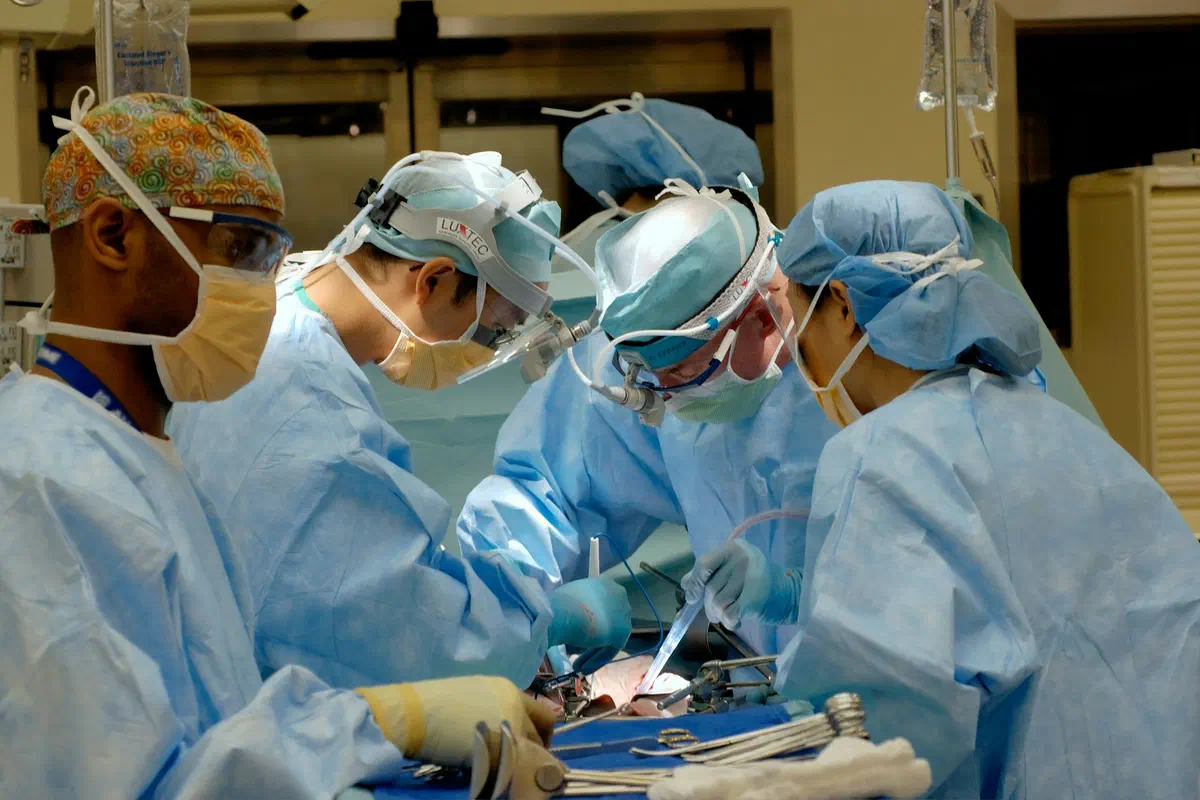
ASPS states that its member surgeons practice in accredited facilities, and it suggests asking every surgeon which operating facility they use. Ask who will give the anesthesia as well. One of the questions ASPS recommends is whether a board certified anesthesiologist is part of the team.
Hospital privileges are another signal. ASPS suggests asking whether the surgeon is cleared to perform the planned procedure at a surgery center or hospital, and at which hospitals they hold privileges. A surgeon quoted in the ASPS consultation guide calls a “no” to that question a red flag. Ask too what the emergency protocol is and where you would be taken if a problem arose.

Questions to bring to the consultation
The table below draws on the two ASPS consultation guides listed in the sources.
| Question | What the answer tells you |
|---|---|
| Which board certified you, or in which specialty are you accredited? | Whether the surgeon has formal training and examination in plastic surgery |
| How often do you perform this specific procedure? | Whether the procedure is a regular part of the practice |
| Will you perform my procedure yourself? | What is delegated, and to whom |
| What are the risks, and what are the alternatives? | Whether the surgeon explains downsides and other options, including noninvasive ones |
| What would make me a poor candidate? | Whether the surgeon screens patients |
| What does the recovery look like, and how long will I be off work? | How much leave and help at home to plan for |
| What happens if I need a revision? | The revision policy, since no surgeon can promise a perfect result |
| How have you handled complications in the past? | How the surgeon responds when things do not go to plan |
Bring your own medical history: previous operations with dates, current medications, allergies and relevant family history. ASPS also suggests meeting more than one surgeon, writing your questions down in advance, and bringing someone you trust to take notes. Ask whether the consultation carries a fee, since some practices charge one.

Reading before and after photos
Galleries are marketing. They are curated by the practice, and they are still useful when read carefully. Guidance from ASPS includes the following points.
- Matching conditions. Lighting, angle, makeup and pose should be the same in the before and after images.
- Standard views. A real result should hold up in front, profile and three-quarter views.
- Timing. A result at six weeks differs from a result at one year. ASPS articles suggest looking for photos taken more than a year after surgery.
- Signs of editing. Strange skin texture, warped backgrounds, inconsistent shadows, and wavy lines or pixelation around the face or body can point to altered images.
- Volume and source. A large body of cases photographed the same way over time is harder to fake than one striking image. Prefer the practice’s own website over social media posts.
- People like you. Ask to see patients who resemble you in skin tone, anatomy or the concern being treated.
ASPS treats galleries made up only of photos taken on the operating table, or follow-up shots that rely on patient selfies, as warning signs, because those images can hide how a result looks once healing is complete.
Social media is a starting point
ASPS cautions against choosing a surgeon on social media alone. A feed is a highlight reel, follower counts can be bought, and the platforms do not require anyone to be an expert before calling themselves one. Recovery is often left out or played down. Use social media to find names, then check credentials and the practice website, and pay attention to how the surgeon answers questions from prospective patients.
If you already know the procedure, reading its recovery timeline first, for double eyelid surgery or rhinoplasty, can help you prepare more focused questions.
Red flags at a glance
- The surgeon cannot show certification from the relevant board, or accreditation as a medical specialist in Korea.
- The operating facility or its accreditation is unclear.
- The surgeon does not have privileges to perform the procedure at a hospital or surgery center.
- There are no before and after photos, or the photos fail the checks above.
- Risks and alternatives are skipped or brushed aside.
- Marketing shows results but says little or nothing about recovery.
None of these checks guarantees a good outcome, but together they make it easier to compare practices before you commit.
Sources
- Is Your Surgeon Certified?American Board of Plastic Surgery
- What do I need to know? Tips and tricks for acing your plastic surgery consultAmerican Society of Plastic Surgeons
- Your consultation checklist: Essential questions to ask before your plastic surgery procedureAmerican Society of Plastic Surgeons
- Can you trust that transformation? Reading before and after photos in the age of AIAmerican Society of Plastic Surgeons
- Decoding plastic surgery on social media: A guide to reliable research in the digital ageAmerican Society of Plastic Surgeons
- Medical Service Act (English translation)Korea Legislation Research Institute
- Act on Supporting Overseas Expansion of Medical Services and Attraction of International Patients (English translation)Korea Legislation Research Institute
This story is general travel information, checked by the editors against the sources above. It is not medical advice. How we research stories.
Read next

Surgery / Stage 1: before the trip
Booking Surgery Abroad: The Follow-Up Care, Flights and Records to Plan Before You Go

Surgery / Stage 4: recovery and aftercare
After Rhinoplasty: The Splint, the Swelling and the Year-Long Wait for the Final Shape

Surgery / Stage 4: recovery and aftercare