Skincare / Stage 4: recovery and aftercare
The Days After: Skincare, Sun and Flights Following a Clinic Treatment
The treatment is done, and you still have days of walking, sun and a long flight ahead. What dermatology sources say about caring for your skin on the road.

The treatment is over and you step out of the clinic into a Seoul afternoon. At home, aftercare would happen in a familiar bathroom with your own products and a predictable day. On the trip, the next few days can include long walks in the sun, hotel water, a packed itinerary and a long-haul flight. None of these has to be a problem, but each one is easier to manage with a plan.
This story gathers what dermatology sources say about sun, skincare and activity after common treatments, plus what research shows about cabin air. The instructions your own doctor gives you come first. If anything here differs from them, follow the doctor.
Ask for written instructions before you leave the clinic
Before you walk out, make sure you have aftercare instructions in writing, in a language you read comfortably. Useful things to confirm:
- which products to use, and which to stop, and for how long
- when you can wash your face, wear makeup and exercise
- what is normal (redness, swelling, bruising) and for how long
- what would be a reason to contact the clinic, and how to reach it from abroad
Keeping these with your receipt and treatment summary means they are all in one place if you need care after you get home.
Sun protection
Sun protection runs through almost every set of post-treatment instructions. After laser resurfacing, Cleveland Clinic advises avoiding the sun as much as possible during healing and using sunscreen daily, then a face sunscreen with an SPF of at least 30 once healed. The AAD’s filler aftercare also includes avoiding sun exposure and tanning beds.
For sunscreen itself, the AAD’s guidance on applying sunscreen sets out the basics:
| AAD recommendation | Detail |
|---|---|
| Strength | SPF 30 or higher, broad-spectrum, water resistant |
| Amount for the face | At least 1 teaspoon |
| Timing | Apply before going out; skin takes about 15 minutes to be protected |
| Reapplication | Every two hours, and right after swimming or sweating |
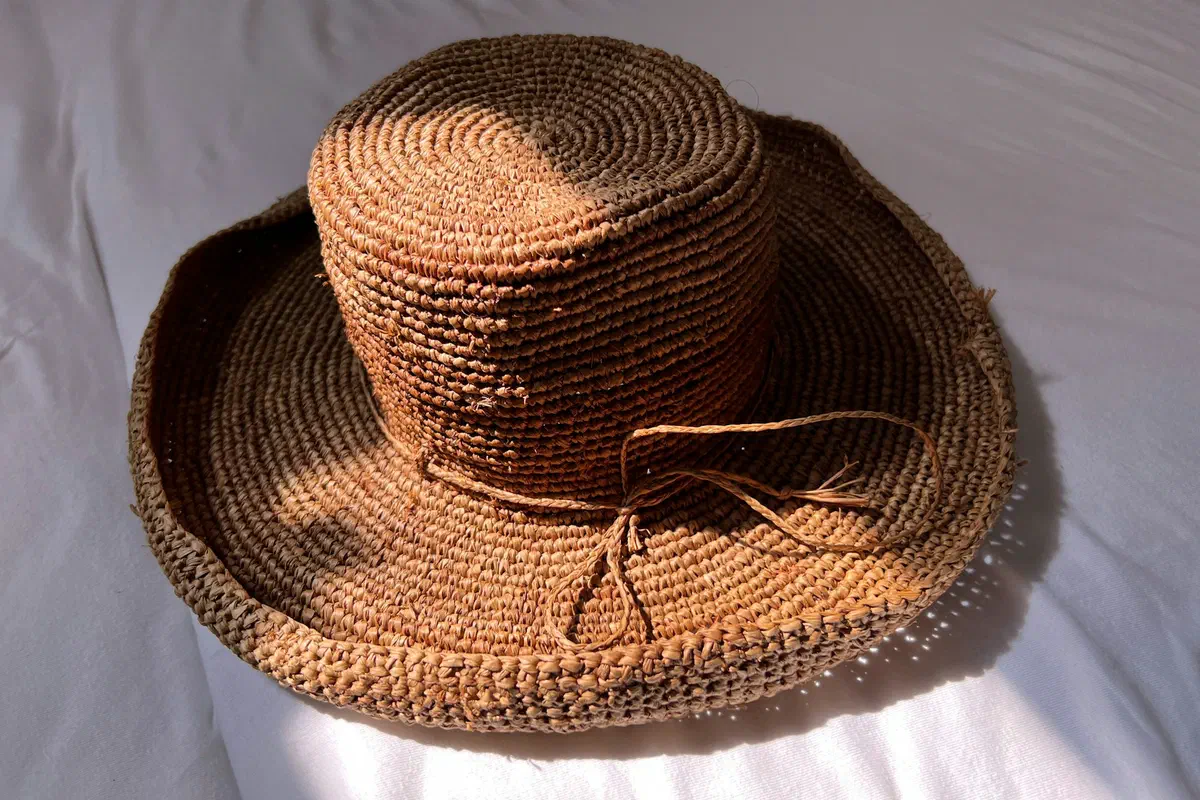
On a sightseeing day, reapplying every two hours is the part most people miss. A small tube in a day bag, a wide-brimmed hat and planning indoor stops for midday all help. If you have just had a treatment, check with the clinic before applying anything to broken or healing skin.
If you plan to buy sunscreen in Seoul, the shopping-day story covers how the large beauty stores and the tourist tax refund work.
Long flights and dry cabin air
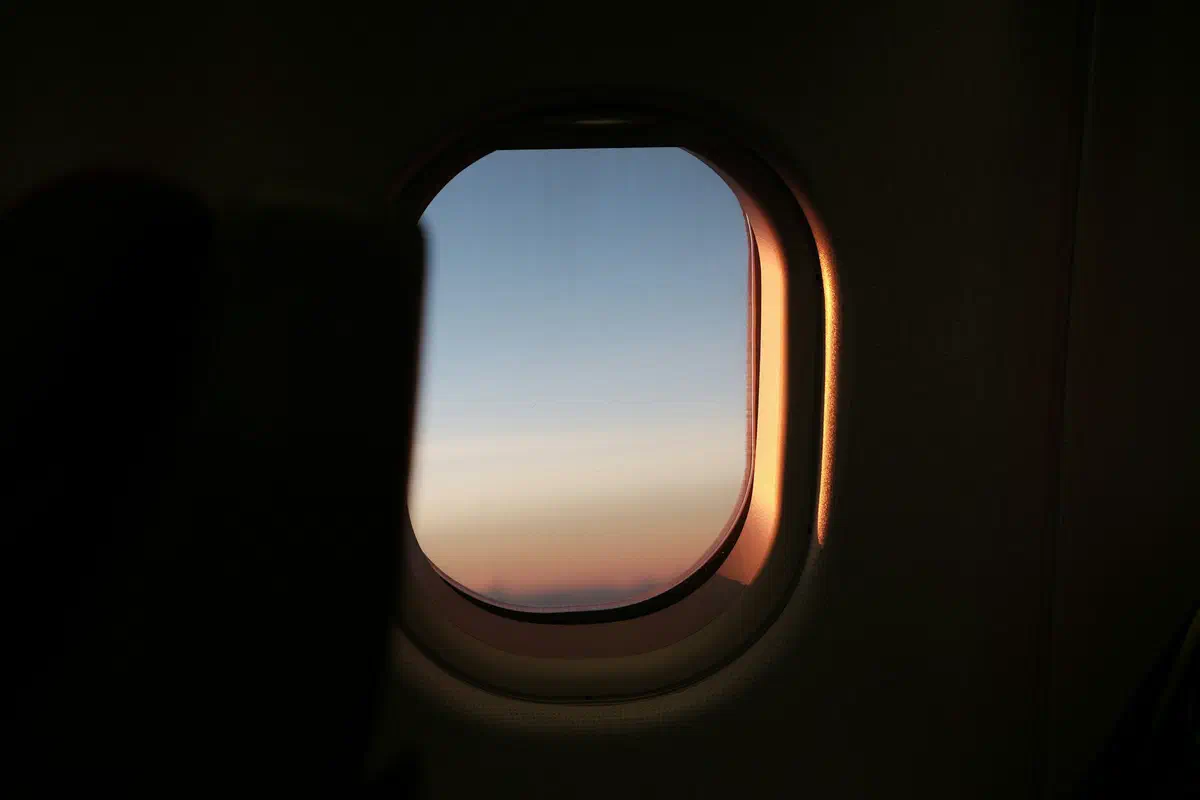
Cabin air is very dry. A small 2012 study in Skin Research and Technology measured conditions on long-distance flights and found relative humidity fell below 10% within two hours of takeoff and stayed there. Skin hydration, measured on the face and forearms, dropped quickly, by up to 37% on the cheeks.
The study was small (eight women) and participants avoided skincare products during the flights, so it does not show how much a moisturizer would help. It does explain why skin can feel tight after a long flight. If your skin is already healing, ask the clinic which moisturizer or ointment you can apply in flight, and keep it in your carry-on.
Practical points for the flight:
- Pack your aftercare products where you can reach them.
- Avoid rubbing or pressing treated areas, including against a pillow or window, where your instructions say so.
- Keep your hands off the treated area; travel makes it easy to touch your face without noticing.
Treatment-specific rules from dermatology sources
Botulinum toxin
The AAD says not to rub or massage the injected areas, not to press or rub in makeup, and to wait two hours before strenuous activity. Bruising, if it happens, lasts about a week.
Fillers
The AAD lists:
- icing for 15 to 20 minutes before leaving, if recommended
- waiting until the next day to exercise
- avoiding sun exposure and tanning beds
- not touching the area for three days unless told to massage it
DermNet adds that a cool pack can ease swelling and soreness, and advises against manipulating the area early on. It also notes rare but serious complications, including blocked blood vessels that may need urgent treatment with an enzyme that dissolves hyaluronic acid. Any unusual pain or change in vision after a filler is a reason to contact the clinic right away.
Laser resurfacing
Cleveland Clinic’s aftercare is the most detailed of the group: clean the treated areas two to five times a day as instructed, apply an occlusive ointment such as petroleum jelly until healed, avoid aggressive facial treatments for four weeks and irritating products for six weeks, avoid activities that cause flushing for two weeks, and sleep on an extra pillow for the first four days to help with swelling. It also advises waiting until healing is complete before wearing makeup.
That level of care is hard to manage between sightseeing stops, which is one reason to plan resurfacing for the start of a long stay or for a trip with recovery days built in.
Keep your routine simple
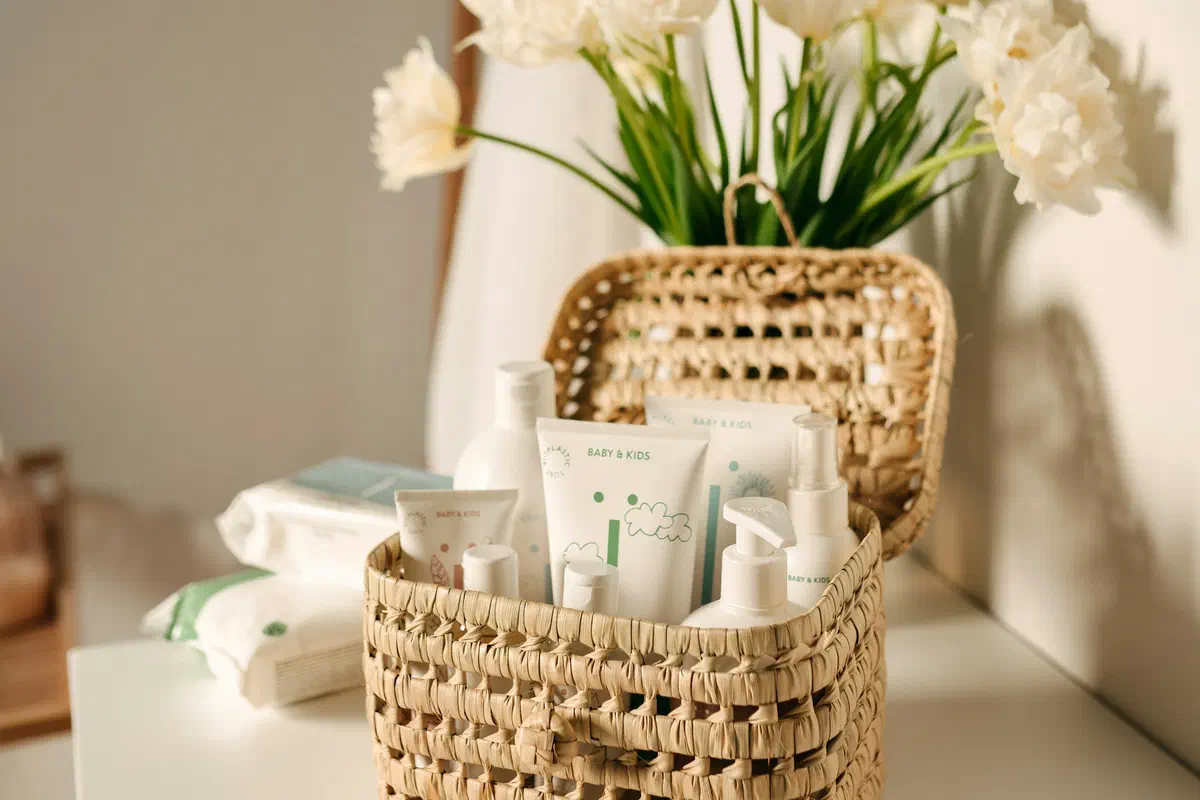
A short, gentle routine is easier to follow on the road. Bring the cleanser and moisturizer your skin already tolerates, and leave new actives at home until the doctor clears them. Cleveland Clinic’s resurfacing guidance, for example, names tretinoin and glycolic acid among the treatments to avoid for four weeks.
When to get help
Contact the clinic, or a local doctor if you are already home, if you notice anything outside what your instructions describe as normal. Signs of infection, worsening pain, blistering or changes in vision are reasons to seek care promptly. A licensed dermatologist can assess your skin in person, which no aftercare sheet can replace.
Sources
- How to apply sunscreenAmerican Academy of Dermatology
- Laser Skin ResurfacingCleveland Clinic
- Botulinum toxin therapy: FAQsAmerican Academy of Dermatology
- Fillers: FAQsAmerican Academy of Dermatology
- Skin surface hydration decreases rapidly during long distance flights (Guéhenneux et al.)Skin Research and Technology, 2012
- Hyaluronic acid implantDermNet
This story is general travel information, checked by the editors against the sources above. It is not medical advice. How we research stories.
Read next

Skincare / Stage 3: the day of
A K-Beauty Shopping Day in Seoul: Olive Young, Myeongdong and the Tax Refund
Skincare / Stage 5: going home
Flying Home With K-Beauty Products: Liquid Limits, the Customs Stamp and Declaring Your Haul

Surgery / Stage 4: recovery and aftercare